
Find a steady center without needing perfect silence. In a notification-heavy life, training attention can help you notice calm amid the clamor. This practice uses the breath as an anchor so you can return to the present with ease.
Simple and challenging: the mind wanders. That’s normal. The skill is coming back kindly, not forcing focus. Expect small wins and normal setbacks as you learn.
This guide previews what the practice is and is not, why it eases stress, beginner steps, techniques to try, habit tips, and the science behind it. You can practice at home, at work, or during a short walk.
Key takeaways: start with a short daily moment, treat wandering as part of learning, and build a gentle, practical routine for real life.
What Meditation Is and What It Isn’t
Before you sit, it helps to know what the practice is—and what it isn’t. At its core, this is attention training: you pick an anchor, often the breath, and gently return to it whenever the mind drifts.
A simple definition
The simplest description: it trains your attention by repeating a brief process of noticing and returning. Over time, that repetition strengthens focus and reduces autopilot reactions.
How mindfulness meditation differs
Mindfulness meditation stays with present-moment experience. Other forms include mantra-based practice, movement-based approaches like yoga or walking, guided sessions, and contemplation. Each form offers a different route to the same skill: steadying attention.
Thoughts are expected, not the enemy
Clearing your mind is a myth. Thoughts will appear. The work is to notice them early and come back without judgment.
“You notice the mind has wandered after one breath.” — Sharon Salzberg
In short: this repeatable, nonjudgmental process builds a healthier relationship with your mind and with daily life.
Why Learn to Meditate in Today’s Busy World
Training attention gives you space to choose how you react to stress, instead of simply reacting. Constant alerts, multitasking, and a blurred work/home day push people into automatic responses. A short daily habit builds a pause between stimulus and reply.
Stress relief and calmer nervous system signals
Regular practice can downshift fight-or-flight signals and promote calmer nervous system patterns. Over time, this can lower markers like heart rate and cortisol that rise during stress.
Reducing anxiety and improving emotional balance
Noticing thoughts as thoughts—then returning to the breath—helps stop spirals. That skill supports steadier feelings and better emotional regulation for everyday challenges.
Improving focus, attention span, and mental clarity
Short, consistent sessions train the brain’s attention ability. People often report clearer thinking and longer focus after just a few minutes a day.
Sleep support, resilience, and day-to-day well-being
Calming the mind can make it easier to fall and stay asleep. Studies and research reviews also link practice to small gains in blood pressure and heart-related strain, especially in people with higher baselines.
Note:This is not a cure-all.It’s a tool that creates space to make better choices and recover from stress faster.
How to Meditate for Beginners: A Gentle Step-by-Step
Begin with a simple setup so the rest of the practice feels easy and realistic. Keep expectations low: short, steady sessions beat rare long ones.
Choose a quiet, comfortable place and a stable posture
Pick a calm spot and remove obvious distractions. Sit in a chair with feet grounded, sit cross-legged loosely, or kneel—choose what your body finds steady.
Set a realistic timer for minutes you’ll actually do
Start with 5–10 minutes. Use a gentle timer so you can relax into the time and build consistency without pressure.
Focus on breath sensations in the nose, chest, or belly
Find one spot to watch the breath and feel concrete sensations. Don’t try to change the breathing; simply notice the inhale and exhale.
Notice mind-wandering and return without judgment
When attention drifts, name it briefly (thinking, planning, feeling) and guide your focus back to the breath. This simple process is the core training.
Close with kindness: a brief moment of reflection
End by opening your eyes and checking sounds, the body, and mood. Acknowledge the effort and set a tiny goal: try this once today.
Basic Meditation Techniques to Try
A short menu of easy practices helps you find what steadies attention in daily life.
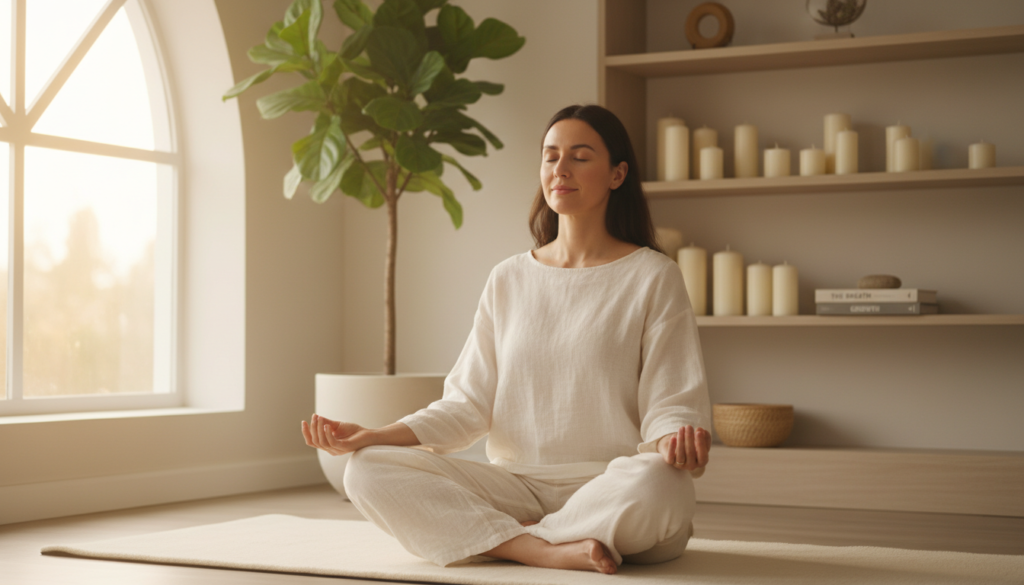
Breath-focused practice
Use the breath as a simple anchor. Watch sensations at the nose, chest, or belly. When the mind drifts, return gently to one point of feeling.
Body scan for mind‑body awareness
Slowly move attention from the feet up to the head. Notice any sensations without judging them.
If you drift off or feel sleepy, take a deep breath and resume where you left off.
Walking for bringing calm into motion
Walk at a natural pace and notice the lifting and falling of your feet. You can count steps to ten, then start again.
Return your focus kindly when it wanders and stay aware of the surroundings as part of the practice.
Loving‑kindness to build compassion
Silently repeat short phrases such as “May I live in safety… May I have mental happiness… May I have physical happiness… May I live with ease.”
This technique trains warmth toward self and others when feelings of isolation or self‑criticism arise.
Guided sessions for structure and support
Use guided meditation for clear instructions, accountability, and a steady focal point. It helps beginners stay on track without extra self‑judgment.
Try each approach for a few days. Notice which technique fits your schedule, energy, and goals. The aim is steady attention, not a special experience.
Beyond the Beginning: Building a Sustainable Meditation Practice
Building a lasting habit means designing simple cues that catch attention when the day gets busy. Small, visible reminders help interrupt autopilot so the intentional mind can step in.
Designing cues and reminders to reduce autopilot
About 95% of behavior runs on autopilot, so consistency is hard. Make meditation visible and easy: leave a cushion out, put an app on your home screen, or block a short slot on your calendar.
“If this, then that” habits for mindful moments
Use simple triggers that fit daily flow. Try examples you can copy today: if you open your laptop, relax your shoulders; if the phone rings, take one breath before answering; if you wash hands, feel the water for ten seconds.
Choosing the best time of day and keeping it flexible
The best time is whatever fits your life. Experiment with morning or evening, then keep it flexible on busy days. Aim for a minimum viable practice—two minutes beats skipping entirely.
Keep it kind: each small sit builds your ability to show up. Over time, this process becomes a steady way people keep calm in a noisy world.
Common Roadblocks and How to Work With Them Kindly
Common challenges—like itchiness, racing thoughts, and sleepiness—show up for everyone learning this skill.
Restlessness, itchiness, and the urge to move
Physical restlessness is normal. Notice the sensation, soften around it, and breathe for a few counts.
If an itch bothers you, pause for two or three breaths and watch it change. If it stays, scratch mindfully and return to the anchor.
Racing thoughts and “I’m bad at this” stories
A busy mind is the actual material of the practice. Name the thoughts—”planning,” “judging”—then come back to the breath.
When a self‑critical story appears, treat it like any thought. Label it gently and return; each return is the real win.
Eyes, breathing, posture, and strong emotions
Try eyes open (soft gaze) or closed; test both and keep what feels steady. Let the breath be natural rather than forced.
Sit if you risk sleep; lie down when the body needs rest. Both forms serve different needs.
If intense emotions or sensations arise, ground by noticing contact points (feet, chair) and slow your breath. Seek professional help if distress becomes overwhelming.
The Science and Health Benefits of Meditation
Evidence from labs and reviews links regular practice with clearer attention and gentler physiology.
What studies suggest about stress markers, blood pressure, and heart health
Research summaries show reduced cortisol and lower resting heart rate after steady practice. These shifts help the body recover from chronic stress.
Meta-analyses also find modest drops in blood pressure, especially for people with higher baselines. That matters because lower pressure reduces strain on the heart.
Brain changes linked to regular practice and better emotional regulation
Brain imaging (EEG and fMRI) shows structural and functional differences in areas for attention and emotion. Over time, these changes support improved focus and less reactivity.
How little time can help: short sessions practiced consistently
Notably, neuroscientist Amishi Jha found that about 12 minutes, five days a week, can strengthen attention ability. Small, steady sessions offer real, cumulative benefits.
Bottom line: this low-cost practice complements medical care. Use a form you enjoy, keep it consistent, and treat it as one useful tool for mood, anxiety, and heart-related health.
Conclusion
A single, repeatable loop ties the whole method together: pick an anchor, notice when the mind drifts, and return with care.
Quiet does not mean no thoughts. It means building a steadier relationship with thoughts, feelings, and stress through small, consistent steps.
Try a practical next step: commit to 5–10 minutes a day for one week. Watch what changes, then adjust time or technique based on what helps you show up.
If seated breath work feels hard, switch to a body scan, guided audio, or a short walking session to keep the habit alive.
The most important moment is choosing to sit down. That choice makes real change possible in everyday life.