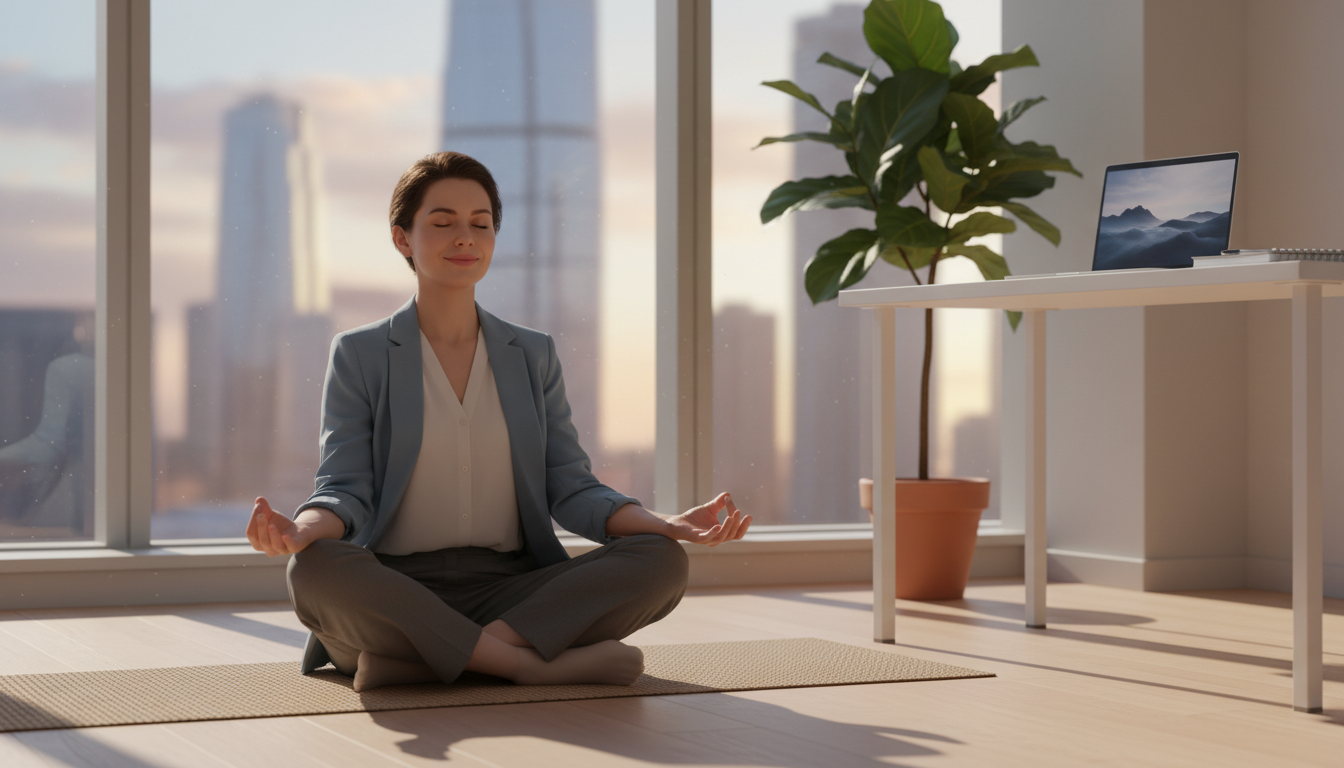
Ready for a realistic five-minute reset that fits into workdays, parenting, commuting, and screen-heavy schedules? This guide shows a simple way to use a short practice without special gear or a perfect quiet room.
Who is this for: people in the United States who feel stressed, distracted, anxious, or simply too busy. It also helps experienced practitioners who want a micro option to calm the mind between tasks.
You will learn what meditation is in plain terms, why short sessions work, the exact five-minute routine, common obstacles, quick variations, and how to make it stick as a daily habit.
The goal is not to stop every thought. Instead, the aim is to build a healthier relationship with attention so the mind feels less noisy and more workable during the day.
Small, consistent moments matter: even a few minutes can shift calm and clarity when done regularly. Each section that follows moves from basics to action steps, troubleshooting, and habit-building so you can start immediately.
What Meditation Is and What It Isn’t
Consider this a practical skill: brief training that helps your attention settle and your day feel clearer. At its core, this approach trains attention on purpose, often by using the breath, to build calm, clarity, and present-moment awareness.
A simple definition
In plain terms: a short meditation practice involves focusing your attention (usually on the breath) to strengthen focus and lower stress. This builds a habit of noticing the moment without getting swept away by the usual rush.
Mindfulness vs. “blank mind”
Mindfulness means noticing sensations, sounds, and thoughts and returning gently when the mind wanders. Wandering is normal; each return is the core rep of the process, like a bicep curl for attention.
Religious, spiritual, or secular?
This practice can be spiritual, religious, or totally secular. There are many forms — breath-focused routines, mantra repetition, body scans, contemplative prayer, and guided sessions in therapy or apps. Beginners can start with a simple, nonreligious approach and still gain real benefits.
Why Micro-Meditation Works When You’re Busy
A five-minute pause can stop stress from snowballing and let you regain focus fast. Short resets fit into commutes, meetings, and between chores, so they actually happen.
Quick nervous-system downshift
Busy-person logic: five minutes interrupts autopilot and gives the body a brief downshift. That break reduces physiological stress before it grows into a longer reaction.
Cutting through brain chatter
Using a single anchor (like the breath) repeatedly redirects the wandering brain. Over time this lowers mental clutter and fewer anxiety spikes follow.
Health and evidence
Short practice links to clear benefits: steadier mood, better sleep, improved focus, and stronger resilience. Reviews and meta-analyses show reduced stress markers and links to lower blood pressure.
What studies show about attention
Research reviews (45 studies, 2017) found drops in cortisol and heart rate. A 2015 meta‑analysis tied brief training to lower blood pressure. Other studies suggest short, consistent sessions protect the ability to pay attention.
Meditation in Five Minutes: The Quick Reset You Can Do Anywhere
This five-minute reset gives you a clear, usable routine to calm your attention between tasks. It fits into a parked car, a short work break, or the edge of the bed before sleep.
Set your space and posture without overthinking it
Choose a stable seat: chair, cushion, or couch. Feet on the floor and a relaxed spine matter more than crossing your legs.
Choose a short time limit and use a timer
Set the timer for five minutes. Use a gentle chime so the ending feels soft, not abrupt.
Use the breath as an anchor and notice body sensations
Bring attention to the breath where it’s easiest to feel—nose, chest, or belly. Let breathing stay natural while you notice rising and falling.
Scan simple body cues: feet on the floor, jaw, shoulders. Use them to stay present rather than chase ideas.
When your mind wanders, return gently without judging yourself
Label distractions lightly (“thinking”) and guide your attention back to the breath. Each return is the real part of the practice.
Close with a moment of kindness and quick self-reflection
In the last few seconds, soften your face and notice one small shift—calmer, more alert, or still tense. Open your eyes slowly.
Choose one intentional next action: send one email, take one mindful step, or speak with one calmer tone.
Mindfulness Meditation Skills That Make the Reset Easier
Train your focus so a quick pause actually changes how your mind works during the day.
Training attention like a muscle:
Returning is the practice
The core skill is simple: when your mind wanders, bring your attention back. Returning is the practice.
Each return strengthens focus. Treat short reps like brief sets at the gym—consistency beats occasional marathon sessions.
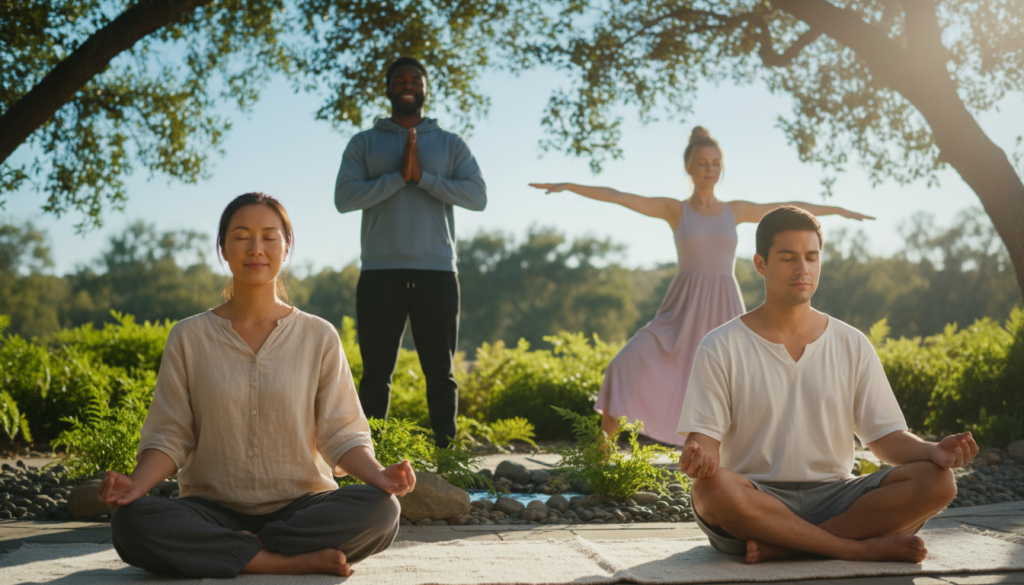
Two useful forms for different days
Focused-attention uses one anchor (breath, sound, or a body point). Use it on busy days when you need a single target to come back to.
Open-monitoring widens awareness to thoughts, feelings, and sounds. Use it when you feel emotionally full and need space to watch things pass without chasing them.
Practical techniques: label distractions gently (“planning,” “worrying”) and soften the body on the exhale to release tension. Keep sessions micro no matter the form so the habit actually sticks.
Why this helps: the point is to build present-moment awareness and reduce autopilot. That shift makes a five-minute reset more than a break—it’s a small process that changes how you meet the next task.
Common Sticking Points and How to Handle Them in the Moment
When a short practice is interrupted, tiny fixes keep it useful. Use simple, present-focused responses so the pause still benefits your day.
Itches, restlessness, and discomfort
If it’s a minor itch, notice it for a few breaths before moving. That small delay trains your attention and reduces reactivity.
If pain or numbness appears, adjust your posture calmly and resume. No drama—this process is about kindness, not endurance.
Breathing “right”
Let the breath be natural. If it speeds up or slows, observe it. Only change breathing when you choose a specific technique.
Eyes open or closed
Closed eyes cut distractions. An open, soft downward gaze prevents drowsiness and can feel safer for anxious beginners.
“I can’t” and big emotions
Noticing “I can’t meditate” is itself a win—label that thought and return to the breath. When strong emotions arise, name the feeling (anger, sadness), feel it in the body, and allow it to pass before coming back to the anchor.
Keep it real: every short session will differ. The goal is steadiness and kindness, not a perfect mood on command. Each gentle return is progress.
Fast Variations: Micro Techniques Beyond the Breath
If breath work feels stale, try a quick body or movement option to shift tension fast.

Body scan reset: In 3–5 minutes, move attention from the feet up to the head. Notice sensations—warmth, tightness, tingling—without judging them. If your mind drifts, return to the last body part you remember and continue.
Walking practice for short breaks
Walk at a natural pace in a hallway, parking lot, or outside between meetings. Feel the lift and land of each foot. Count steps up to ten if that helps you stay focused.
Safety first: keep one layer of environmental awareness so you stay safe while you practice. Use walking after long Zoom blocks as a screen‑break reset.
Loving-kindness to build compassion
Silently repeat simple phrases: “May I live in safety. May I have mental happiness. May I have physical happiness. May I live with ease.” Then extend the same wishes to others.
This small compassion practice softens reactivity and improves how you connect with others when stress rises.
Guided tracks when you want structure
Use a short guided meditation when decision fatigue is high. Being led reduces overthinking and helps beginners stay with the practice.
Movement counts: yoga and other mindful movement ways work well for people who regulate better with motion than stillness. Pick the technique that fits the moment and keep sessions micro so they actually happen.
Making Meditation a Daily Habit Without Adding Another To-Do
Small habits beat big intentions—here’s how to fold a five‑minute reset into the rhythm of your day.
Behavior design for busy schedules
Start with tiny, obvious cues. Leave a cushion in view, set a timer on your phone, or add a calendar block labeled “two minutes.” These prompts shift you from autopilot to deliberate action.
Use simple if‑then plans
Make short rules you can follow without thinking. Examples: If I open my laptop, then I take three mindful breaths. If I park at work, then I sit for two minutes. If I brush my teeth, then I do a 60‑second reset.
Pick a time and protect it
Try morning for consistency, midday for stress relief, or evening for better sleep. Test what you can actually protect and guard that slot from the “tomorrow” trap by keeping sessions tiny.
Support: solo, group, apps, or healthcare
Practicing alone builds self‑trust. Group sits and classes add accountability. Use apps for structure when willpower is low. If anxiety or trauma affects you, consult a healthcare or mental health provider for tailored guidance.
Keep it practical: the real payoff comes from regular short practice. Over time, the benefits of meditation stack up—clearer focus, calmer reactions, and a steadier day.
Conclusion
Five minutes can be enough to reset a busy mind and shape how your brain handles the day.
This practice is a simple skill for training attention. Thoughts will wander; each gentle return is progress. That pattern builds your ability to respond, not react.
Try this now: set a five-minute timer, use the breath as an anchor, come back kindly when you drift, and close with one short, kind thought.
Benefits are practical: less stress, fewer anxiety spikes, better sleep and focus, and steadier mind-body health that can affect heart and blood markers.
Mix the forms—body scan, walking, loving-kindness, or a guided track—until one fits. Clinical studies link short, steady practice to real brain and health gains.
Call to action: pick an if-then cue today and commit to a micro practice for one week. Notice small shifts in daily life.