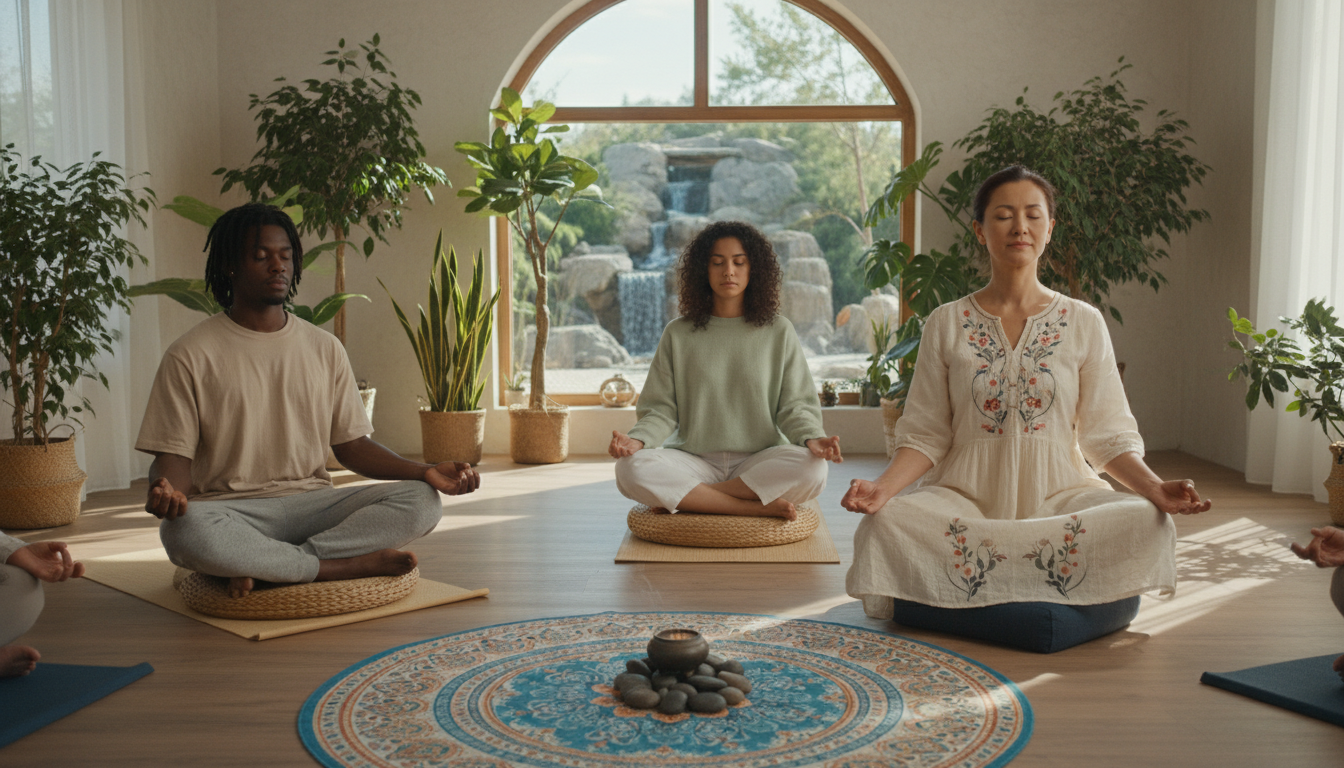
This short guide reframes meditation as daily mental hygiene—a simple habit like brushing your teeth that keeps your mind clear and steady.
Think of it as training, not avoidance. The goal is not to empty the mind but to notice what’s happening and choose what comes next.
Readers will learn what this practice is, why it helps with mental health and overall health, and exactly how to start a short routine you can repeat.
We’ll cover foundations like attention and awareness, basic definitions and types, evidence-based benefits, a beginner breath method, alternatives (body scan, walking, loving-kindness), and habit tips for people in the United States.
If you feel skeptical, restless, or “bad at it,” that’s normal. Mind-wandering is expected; the return is the practice.
Promise: by the end you’ll have a clear, step-by-step method plus options to fit different moods and schedules.
Why Meditation Is Mental Hygiene, Not Avoidance
Think of this practice as a daily tidy-up for the mind — a small habit that reduces reactivity and clears perspective.
It doesn’t erase stress. Instead, it helps you notice stress and respond with more clarity. That shift is the core benefit of treating it like hygiene.
What the practice trains
At its heart the loop is simple: focus (often on the breath), notice you drift, and return to the present moment. Each return is the “rep” that builds attention, like lifting weights for focus.
Mind wandering is normal
Distraction is not failure — it is the signal that awareness is working. Sharon Salzberg captures this when she noticed her mind wandered after “one breath.” That tiny notice is progress.
Awareness differs from avoidance: you learn to see thoughts and sensations and then choose how to act. For example, during a busy workday one mindful breath can create a small pause before you react.
Measure progress by noticing: count how often you notice and return, not how calm you felt. Small, repeated moments add up over time.
What Meditation Is and What It Isn’t
Start by seeing the practice as a simple skill: attention work that strengthens how you respond. A practical definition: this habit involves focusing attention on an anchor (like the breath) or openly noticing experience, then gently returning when the mind drifts.
Focused attention vs open monitoring
Focused attention trains one point of focus—counting breaths or repeating a short phrase. Open monitoring watches thoughts, sounds, and body sensations without grabbing them. Both forms meditation are valid and beginner-friendly.
Religion and modern practice
Meditation has roots in Buddhist, Hindu, Christian contemplative, and Sufi traditions, but you do not need to be religious to practice. Today many people use it for health, stress relief, and skill-building.
What changes in the brain
Imaging studies show changes in attention networks and emotion centers. Regular practice can improve the brain’s ability to regulate emotions and focus. That neuroplasticity means repeated attention creates pathways you can access during stress or conflict.
Research is ongoing. Many studies report better attention and emotional processing for regular practitioners. If you want structure, look for apps, qualified instructors, or healthcare resources to support your start.
Benefits of Regular Meditation for Mind, Body, and Mental Health
A short daily habit can make stress feel less overwhelming and sharpen your focus.
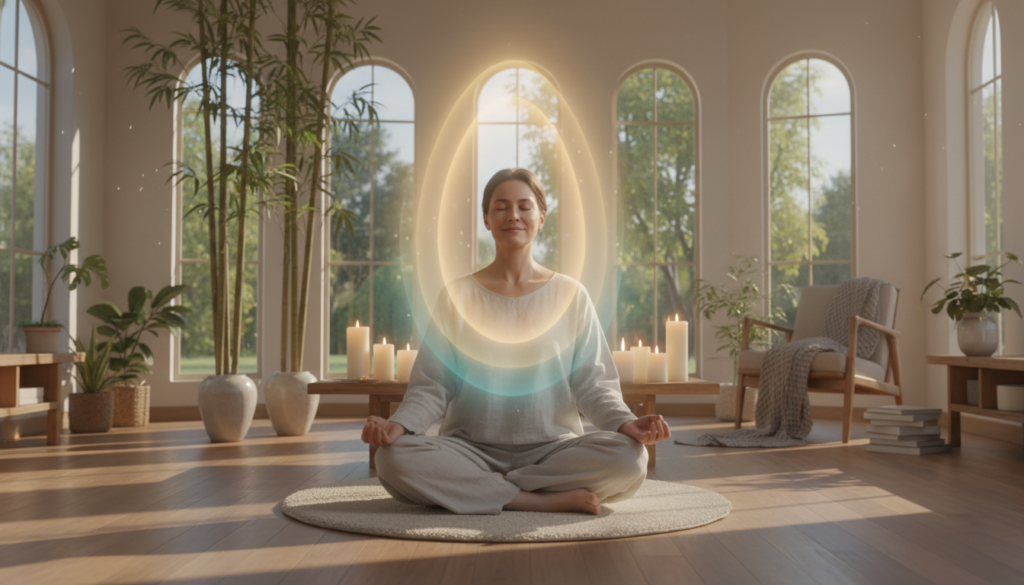
Stress relief and calmer emotions: Regular practice reduces stress in real life by lowering reactivity. When a deadline or family fight arrives, you can create a small pause before responding. This space helps quiet constant brain chatter so you act instead of react.
Improve attention and protect focus
Brief, consistent sessions improve the brain’s ability to sustain attention. Research by Amishi Jha suggests about 12 minutes, five days a week can strengthen attention and protect it under pressure.
Sleep and physical health support
Short routines help downshift the nervous system and reduce rumination, which often leads to easier sleep. The relaxation response may also support blood pressure and overall resilience when combined with healthy habits.
Self-awareness and better relationships
Greater self-awareness can improve empathy, patience, and communication. That extra moment to notice feelings often prevents a snap reply and improves daily interactions.
Practical takeaway: Track small wins — fewer snap reactions, easier refocus, and slightly better sleep — rather than expecting instant calm. These steady benefits build lasting health for mind and body.
How to Meditate for Beginners Using Breath and Mindfulness
Follow these beginner steps to use the breath as a simple, repeatable practice.
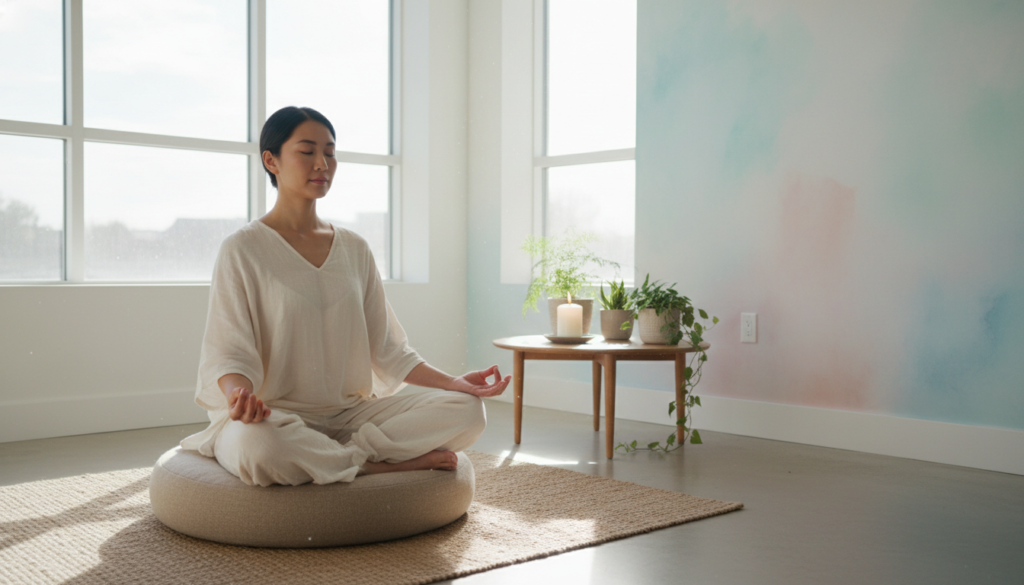
Setup and timing
Choose a quiet place and sit with a stable posture that supports your body. Comfort matters more than perfect form.
Set a realistic time: start with 5–10 minutes on a timer so the practice fits your day.
Where to feel the breath
Pick one anchor: nostrils, chest, or belly. Notice the rise and fall and use that as your focus.
Begin with one deep breath to arrive, then let breathing return to its natural pace.
What to do with thoughts and emotions
When thoughts or emotions appear, notice them without judgment. A simple label like thinking or worrying can help you let them pass.
Return and close
Gently return to the breath each time your mind wanders—that return is the core rep that builds attention.
To close, lift your gaze, notice sounds and body feelings, and offer a small moment of kindness before re-entering your day.
Beginner-Friendly Meditation Practices to Try Beyond the Breath
If the breath feels dull, these beginner-friendly options invite attention in new ways. Each one trains focus and builds a small daily habit you can use in busy life.
Open awareness for restless minds
Mindfulness meditation with open awareness lets sounds, sensations, and thoughts serve as anchors. Notice each item briefly, then return to observing without chasing it.
Body scan step-by-step
Try a body scan meditation that moves from feet to head. Slowly shift attention through different parts: toes, feet, legs, pelvis, abdomen, chest, shoulders, arms, face, head.
Hold each area a few breaths and notice physical sensations without judging. If your mind wanders, return to the last part you remember.
If you nod off, gently take a deep breath, adjust posture, and resume the scan.
Walking practice
Bring mindfulness to movement by doing short walks in a hallway, backyard, quiet sidewalk, or park path. Walk naturally and feel the lifting and falling of each foot.
Use a simple tool: count steps up to 10, then restart at 1 to keep attention steady and safe in public spaces.
Loving-kindness for emotional warmth
Repeat gentle phrases like, “May I live in safety; may I have mental happiness; may I have physical happiness; may I live with ease.” Say them silently and return kindly when distracted. Aim for sincerity over perfection.
Guided meditations as training wheels
Guided meditations can reduce self-judgment and help you stay consistent. Use audio when your mind is busy or when a teacher’s voice helps you follow the steps.
Mix these practices by need: breath for steadying, body scan for bodily stress, walking for restlessness, and loving-kindness for emotional connection. Small variety keeps the practice relevant to everyday life and the mind body connection stronger.
Make Meditation a Habit That Fits Real Life in the United States
Make this practice normal by folding it into moments you already own. Treat the habit like a short daily hygiene task that slots into your day, not a long to-do that waits for perfect conditions.
Pick a time you can protect: try morning before emails, a lunch break reset, after work, or a short sit before bed. Add “micro-meditations” between meetings or during commute transitions to keep it realistic for busy people.
Use reminders and cues
Most behavior runs on autopilot, so design friendly prompts. Place a cushion where you walk by, set phone alerts, or use “If this, then that” cues: “If I open my laptop, then soften my shoulders.” These small signals turn impulse into intention.
Design your place
Keep a chair, timer, and a small sign so the practice is the easiest choice in the room. Removing friction — having what you need in sight — makes it more likely you’ll get started.
Common sticking points
Restless? Do shorter sits or try a walking option. Sleepy? Move practice earlier or sit upright. Think “I can’t” — notice that thought; that noticing is part of the work. Return to your anchor and try again.
“A single mindful breath before answering a call can shift how you react.”
Resources can help when you get started: apps, local studios, community centers, or health providers offer structure. If a practice intensifies distress, seek professional support — your health and brain deserve careful attention as you build a steady habit for the future.
Conclusion
Treat this as a daily tune-up for attention and emotional balance.
Think of each short sit as a small investment in a calmer, sharper day. A few minutes of breath-focused work, noticing the mind wander, and returning gently builds the skill over time.
The real benefits come from regular meditation, not perfection. Small, consistent sessions slowly reduce reactivity and can reduce stress while strengthening attention and brain resilience.
Pick one next step this week: breath, body scan, walking, loving-kindness, or a guided audio. Schedule short, realistic sits and try to keep them.
Measure success simply: notice one moment you paused, breathed, and chose a different response—at work, home, or in traffic. Every return to the present is progress in a world that rewards steady practice.